

Restorative Dentistry in Chicago, IL
Restorative dentistry in Chicago, IL, helps repair damaged, decayed, or missing teeth so you can chew comfortably and protect your oral health.

Restorative Dentistry Explained
Restorative dentistry focuses on returning teeth and gums to proper function after cavities, fractures, wear, infection, or tooth loss. Treatments range from small fillings to full-mouth rehabilitation.
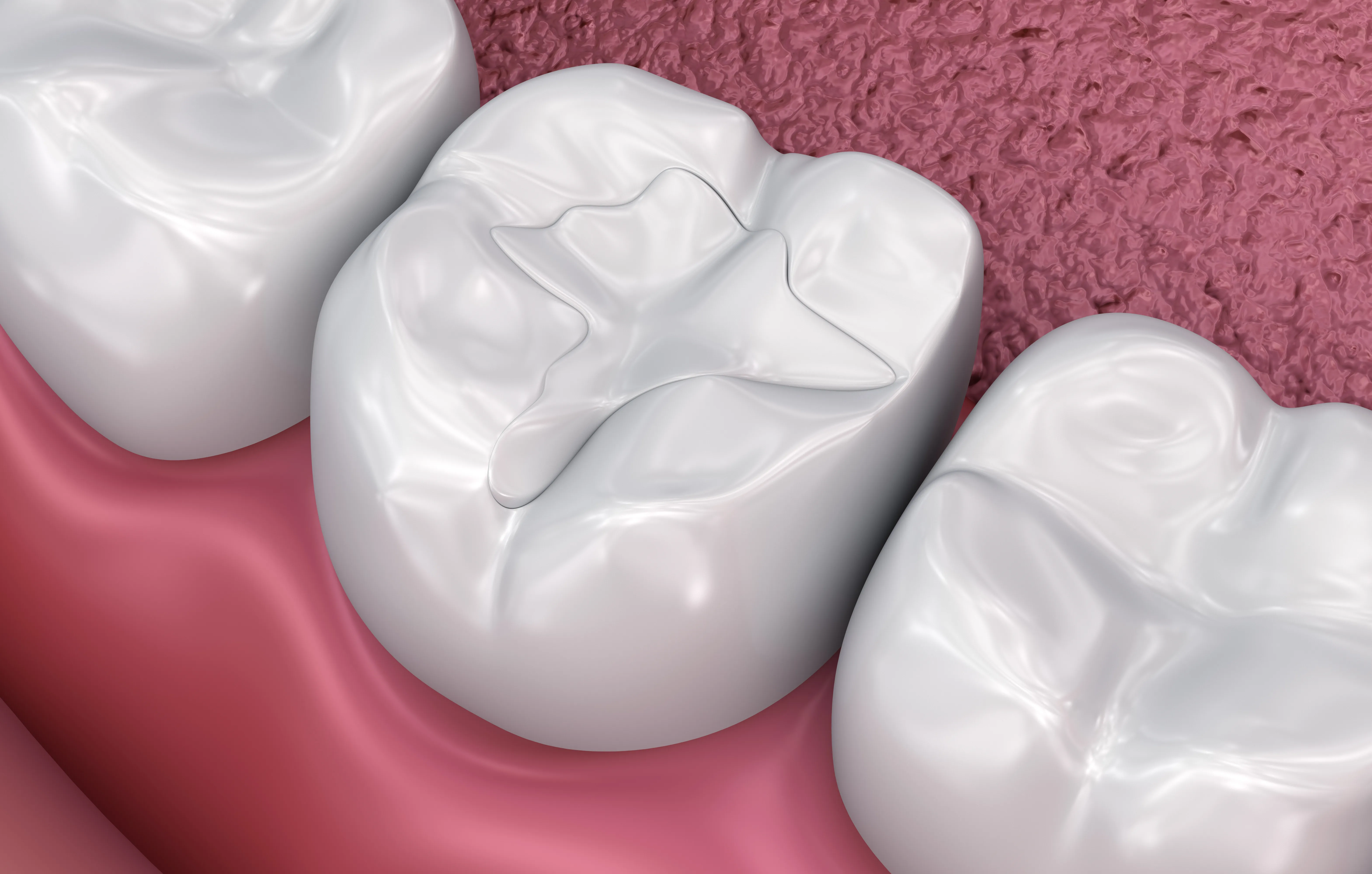
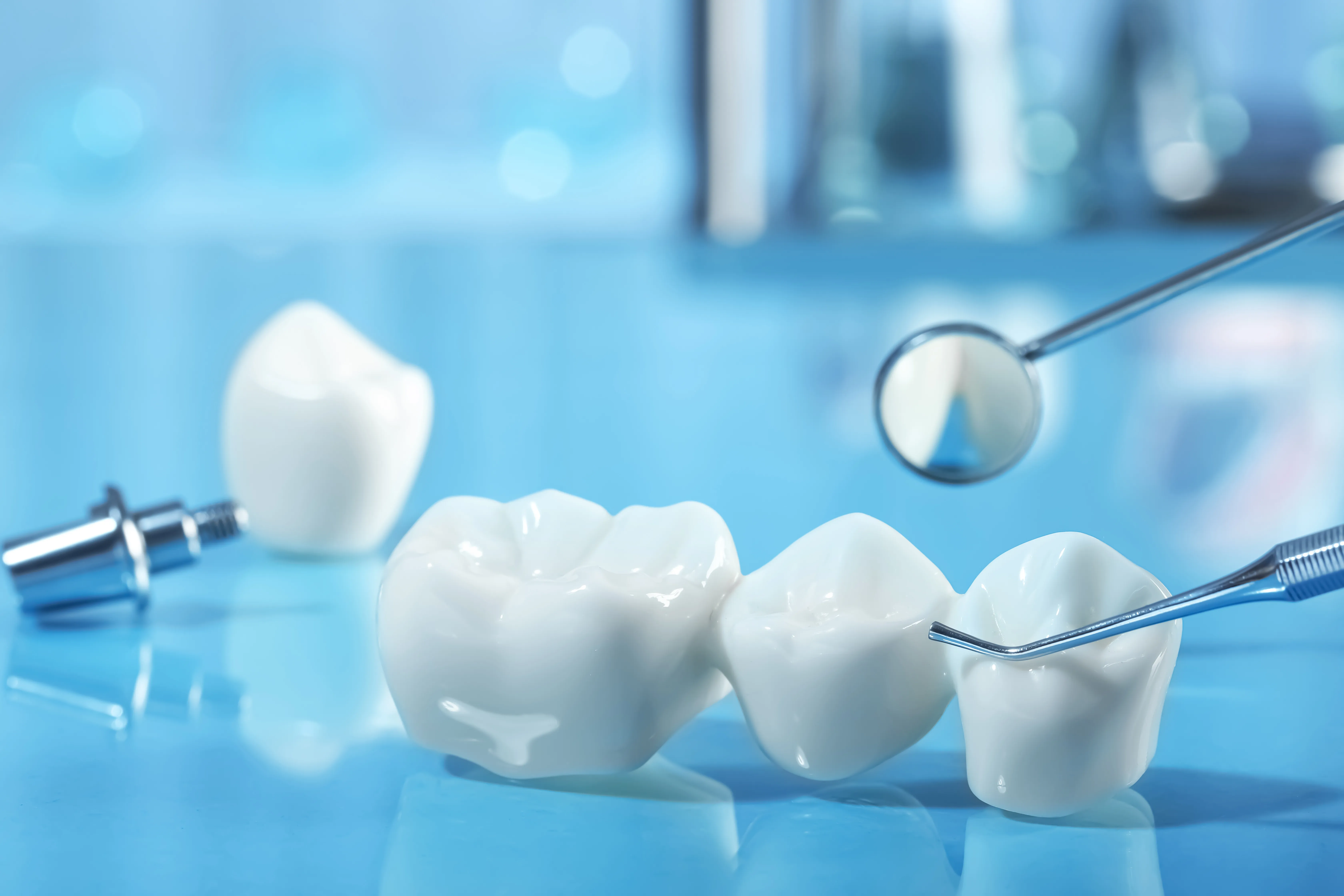
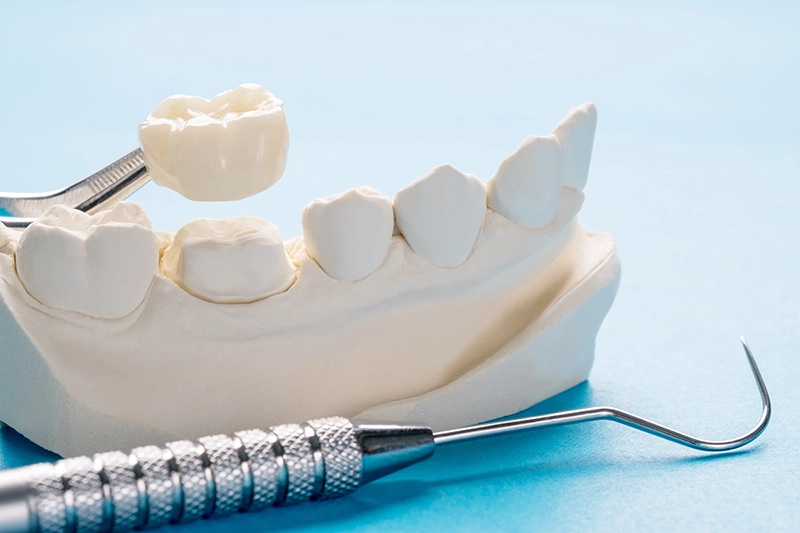
Common options include tooth-colored fillings for small cavities, inlays and onlays for moderate damage, crowns to protect weakened teeth, bridges to replace one or more missing teeth, dental implants that replace tooth roots, and full or partial dentures to restore multiple teeth.
Benefits of Restorative Dentistry
- Stops active decay and prevents small problems from becoming larger.
- Restores comfortable chewing and clear speech.
- Protects remaining tooth structure and supports jaw health.
- Improves smile appearance with natural-looking materials.
- Helps distribute bite forces evenly to reduce wear and fractures.
- Supports long-term oral health with treatments designed to last.
The Restorative Dentistry Process
Most care follows a clear, step-by-step plan:
- Evaluation and diagnosis: A comprehensive exam, X-rays, and sometimes 3D imaging identify decay, cracks, infection, and bone levels.
- Treatment planning: Your dentist reviews options such as fillings, inlays and onlays, crowns, a dental bridge vs implant, or dentures. Goals, timelines, and costs are discussed.
- Preparation and comfort: Local anesthesia keeps you comfortable. Sedation may be considered for longer procedures or dental anxiety.
- Tooth repair or replacement: For example, a filling replaces decayed enamel; a crown covers and protects a weakened tooth; an implant is placed in the jaw to support a crown; a bridge anchors to neighboring teeth to span a gap.
- Final placement and bite adjustment: Your dentist checks fit, shade, and bite, then bonds or cements the restoration.
- Follow-up and maintenance: Home care tips and recall visits help protect your investment.
What to Expect
Anesthetics allow painless treatment. Mild post-visit sensitivity is common, especially with new fillings or crowns. Most patients return to normal activities the same day.
- Fillings: Expect brief temperature sensitivity for one to three days.
- Crowns, inlays, and onlays: Gums may feel tender for a few days; final cementation follows once fit and comfort are confirmed.
- Root canal therapy: Soreness usually peaks in 24–48 hours and improves with over-the-counter medication unless otherwise directed.
- Dental implants: Healing occurs over several months as the implant integrates with bone; a crown is attached after stability is confirmed.
- Bridges and dentures: Speech and chewing adapt over one to two weeks with guidance and adjustments.
Longevity depends on the procedure, home care, bite forces, and regular checkups. Tooth-colored fillings can last many years; crowns and implants often last longer with good hygiene. Nightguards may be recommended to protect restorations if you clench or grind.
Have questions about a specific tooth or treatment plan? Contact Juniper Dentistry at 312-766-9395 to schedule a restorative consultation.
Frequently Asked Questions About Restorative Dentistry Services
- The choice depends on crack depth and location. Small cracks may be managed with a bonded filling or onlay. Deeper structural cracks often need a crown to prevent further fracture.
- Yes. Modern composite resins bond to enamel and dentin, support remaining structure, and handle normal chewing. With proper placement and care, they perform well for many years.
- An implant replaces the root and helps preserve bone without involving neighboring teeth. A bridge can be a faster option when adjacent teeth also need crowns. Bone levels, health history, and timeline guide the decision.
- A crown covers the visible portion of a tooth to restore shape, strength, and appearance. It is custom-made to match your bite and is cemented in place after the tooth is prepared.
- After placement, most implants need several months to integrate with bone before attaching the final crown. Timelines vary based on bone quality and healing.