

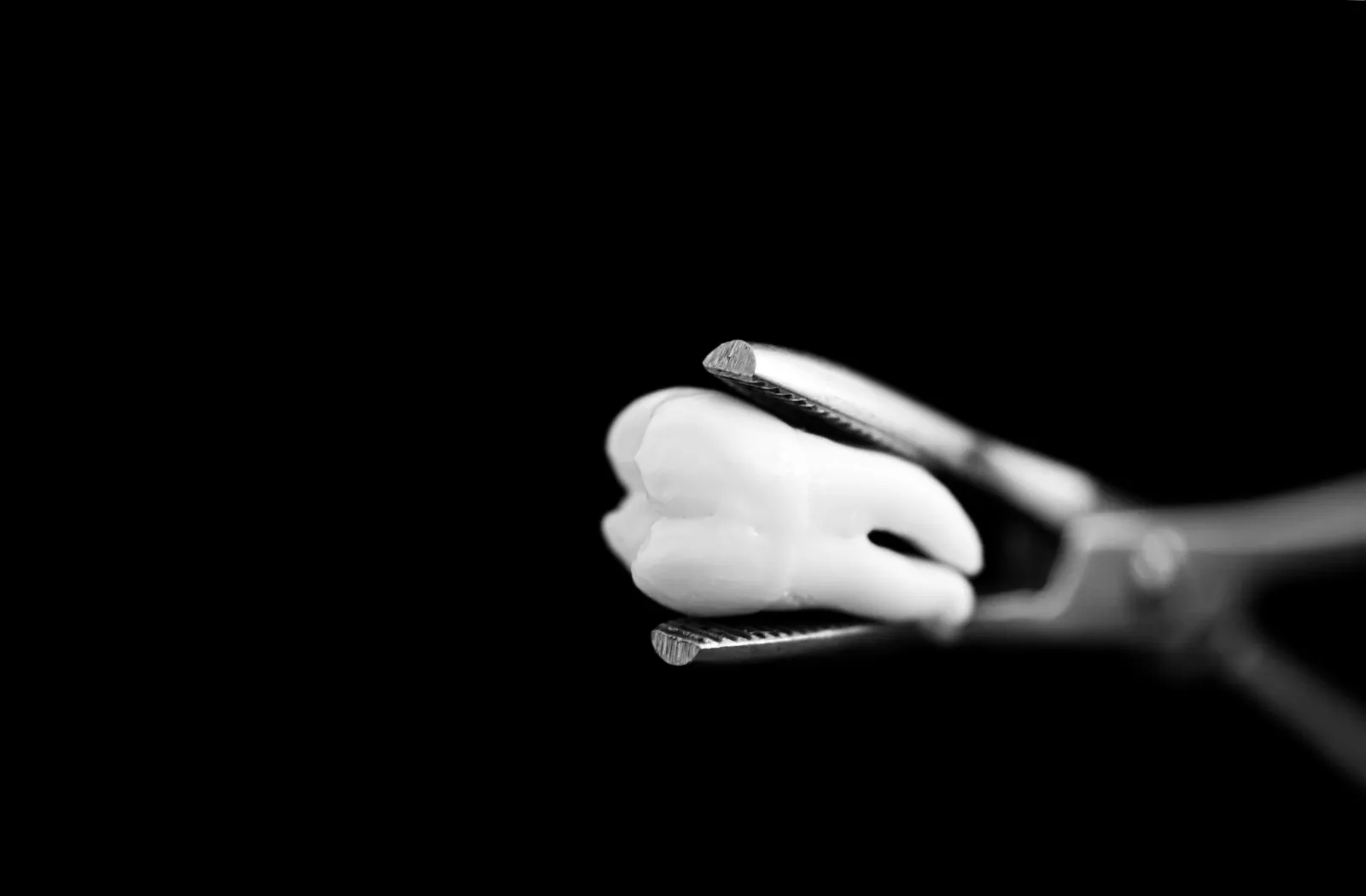
Tooth Extractions in Chicago, IL
Tooth extractions in Chicago, IL, are sometimes the most effective way to relieve pain, stop infection, and protect neighboring teeth. At Juniper Dentistry, our focus is on long-term comfort, function, and your overall oral health.
When Tooth Extractions Are Needed
A tooth extraction is the removal of a tooth from its socket in the jawbone. While preserving natural teeth is often the first goal, removal can be the healthiest choice when a tooth is too damaged to repair or poses risks to your overall oral health. Common reasons include severe decay, fracture below the gumline, advanced gum disease, impacted wisdom teeth, and crowding that affects orthodontic planning.
There are two primary types: A simple extraction removes a tooth that is visible above the gumline. Surgical extractions are referred to a specialist. Surgical extractions are used for teeth that are broken at the gumline, have complex roots, or are impacted.
Benefits of Tooth Extractions
- Relieves persistent toothache caused by deep decay or infection.
- Prevents spread of infection to adjacent teeth or the jawbone.
- Helps resolve gum disease problems when a tooth has severe mobility.
- Removes impacted wisdom teeth that cause pain, swelling, or cysts.
- Facilitates future tooth replacement with bridges, implants, or dentures.
How Tooth Extractions Work
- Anesthesia and comfort: Local anesthesia numbs the area. Sedation options may be discussed for anxiety or complex cases.
- Simple extraction: The tooth is gently loosened with instruments and lifted from the socket.
- Surgical extraction: A small incision allows access. The tooth may be sectioned for safe removal.
- Socket care: The site is cleaned, and a gauze pad is placed to help a blood clot form and protect healing bone.
What to Expect Before and After Treatment
Before your appointment, share your full medical history and medication list. Always mention blood thinners, heart conditions, and any recent surgeries. Instructions may include eating a light meal if receiving local anesthesia or fasting if sedation is planned, and arranging a ride home when needed.
Right after the procedure, expect mild bleeding for several hours and gradual soreness over the next day or two. Swelling usually peaks at 48 to 72 hours. Over-the-counter pain relievers like ibuprofen and acetaminophen are commonly recommended unless your physician advises otherwise. Apply a cold compress in short intervals the first day.
- Bite gently on gauze as directed to encourage a stable blood clot.
- Avoid smoking, spitting forcefully, and drinking through straws for at least 24 to 48 hours to reduce dry socket risk.
- Choose soft, cool foods at first, then advance as comfort improves.
- Begin gentle saltwater rinses after the first 24 hours to keep the area clean.
- Brush and floss the rest of your mouth as usual while avoiding the extraction site.
Typical tooth extraction recovery involves initial healing in one to two weeks. The gum tissue closes over the area first, while deeper bone remodeling continues for several months. If you plan to replace the tooth with a bridge or implant, timing will be reviewed so your result is stable and long lasting.
Call the office promptly if you have severe pain that worsens after day two or three, persistent bleeding that does not slow with pressure, fever, or a foul taste and odor. These signs may indicate complications such as dry socket or infection and should be evaluated.
For questions or to schedule, contact Juniper Dentistry at 312-766-9395 to arrange a visit.
Frequently Asked Questions About Tooth Extractions
- Extraction is considered when a tooth cannot be predictably restored, when infection threatens surrounding tissues, or when crowding and impacted wisdom teeth affect comfort or alignment.
- Soft tissue healing usually takes one to two weeks. Bone strengthens over several months.
- Local anesthesia numbs the area so you should feel pressure but not sharp pain. Mild soreness after treatment is expected and managed with medication and cold compresses.
- Dry socket occurs when the protective blood clot is dislodged, exposing bone and nerves. Avoid smoking, straws, and vigorous rinsing early on to lower your risk.
- Start with soft, cool foods such as yogurt, applesauce, and mashed potatoes. Add more textures as comfort improves.
- Options include implants, bridges, or partial dentures. Timing depends on healing and your treatment plan.