

Digital X-Rays in Chicago, IL
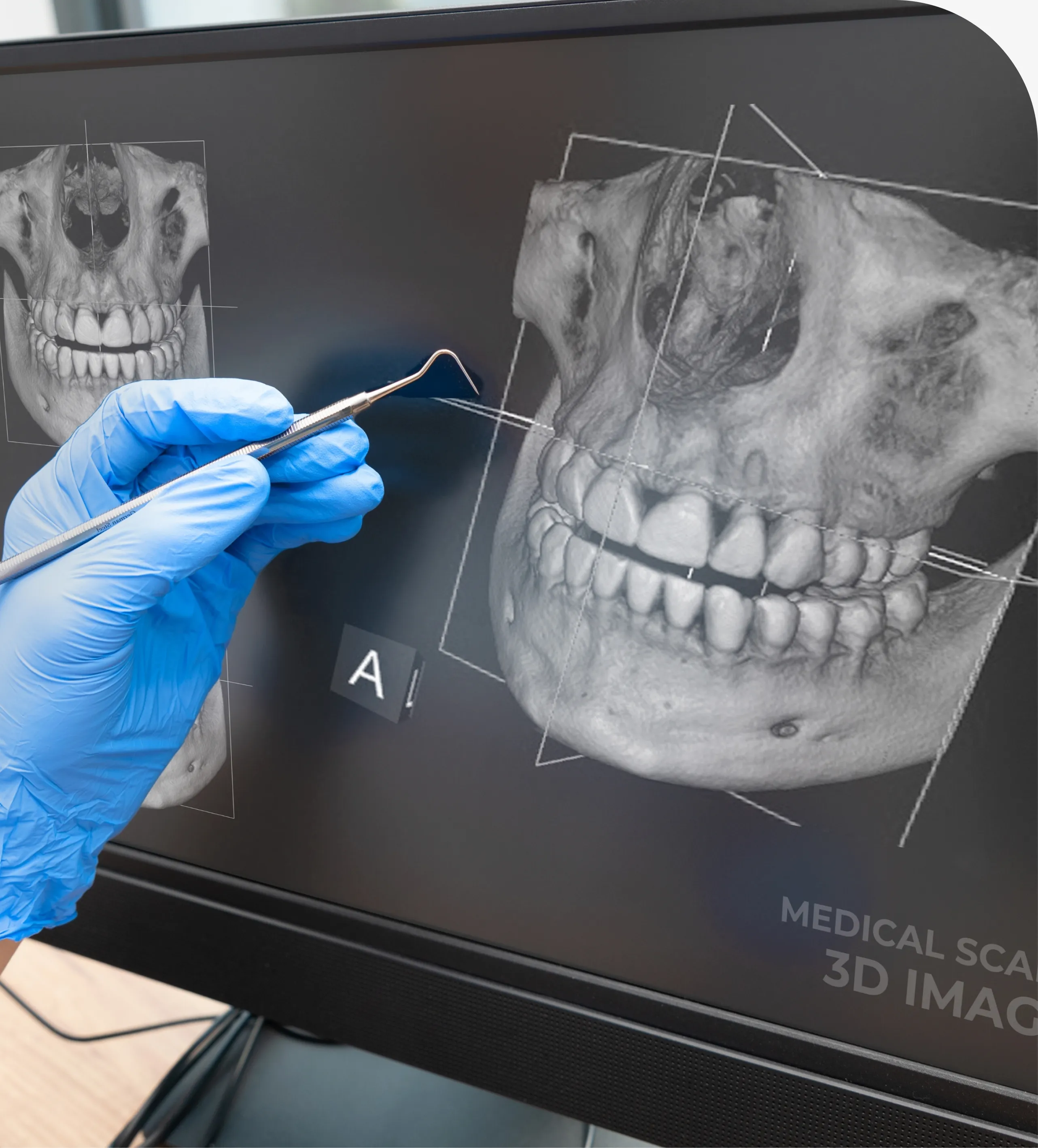
Digital X-rays in Chicago, IL, help dentists see what is not visible during a routine exam. At Juniper Dentistry, this imaging technology supports accurate diagnoses and timely care. The images appear instantly on a computer screen, allowing clear views of teeth, roots, and bone so treatment decisions are based on detailed information.
Digital X-Rays Explained
Digital dental X-Rays use electronic sensors instead of film to capture images of your teeth and jaws. The sensor sends the image to a computer in seconds, where contrast and brightness can be adjusted to highlight small details. The result is a sharp, efficient view with significantly less radiation than traditional film-based radiographs.
Common Image Types
- Bitewing images show the areas between teeth and the height of bone to help detect cavities and early gum disease.
- Periapical images focus on a single tooth from crown to root to evaluate infection, cracks, or abscesses.
- Panoramic images capture the entire mouth to assess growth, impacted teeth, jaw joints, and sinus areas.
- Occlusal images show a wider section of the upper or lower arch to locate extra teeth, cysts, or injuries.
Benefits of Digital X-Rays
- Lower radiation dose compared to film-based X-Rays.
- Instant images that speed up diagnosis and reduce appointment time.
- Enhanced detail for detecting cavities, bone loss, and infections earlier.
- Comfortable sensors without chemical film development.
- Secure storage for easy comparison over time to monitor changes.
- Environmentally friendly process with no darkroom chemicals.
How Digital X-Rays Work
Your dentist will place a small sensor in your mouth and ask you to bite gently. The X-Ray unit emits a brief pulse, and the image appears on the monitor almost immediately. A lead apron and, when appropriate, a thyroid collar are used for added protection. Because the images are digital, retakes are uncommon and limited to situations where movement or positioning affected clarity.
What to Expect
Most appointments with digital dental X-Rays take only a few minutes of imaging time. Frequency depends on your oral health, cavity risk, and history of gum disease. Some patients need bitewings once a year, while others with low risk may need them less often. Tell us if you are pregnant or think you might be; necessary images can be taken with shielding, and routine films may be postponed when appropriate.
For questions or to include digital imaging at your next checkup, contact Juniper Dentistry at 312-766-9395 to schedule a visit.
Frequently Asked Questions About Digital X-Rays
- Yes. Digital systems use a much lower radiation dose than traditional film. The amount is comparable to what you receive from natural background sources over a short period.
- It varies. Your dentist considers your cavity risk, history of restorations, gum health, and any symptoms. Many adults benefit from bitewings every 12 to 24 months.
- Digital images reveal cavities between teeth, bone loss from periodontal disease, infections at the root tip, impacted teeth, fractures, cysts, and abnormalities in the jaws and sinuses.
- When dental imaging is necessary, it can be performed with shielding to protect you and your baby. Routine films may be deferred until after delivery if it is safe to wait.
- Digital X-Rays produce instant images with lower radiation and greater flexibility for enhancement. Film requires chemical processing, takes longer, and generally uses higher dose levels.